Wuxi Dongsheng Spray Granulating Drying Machinery Factory! We are a seasoned professional manufacturer specializing in various types of spray dryers!
中文版
Hotline::+86-510-83382327


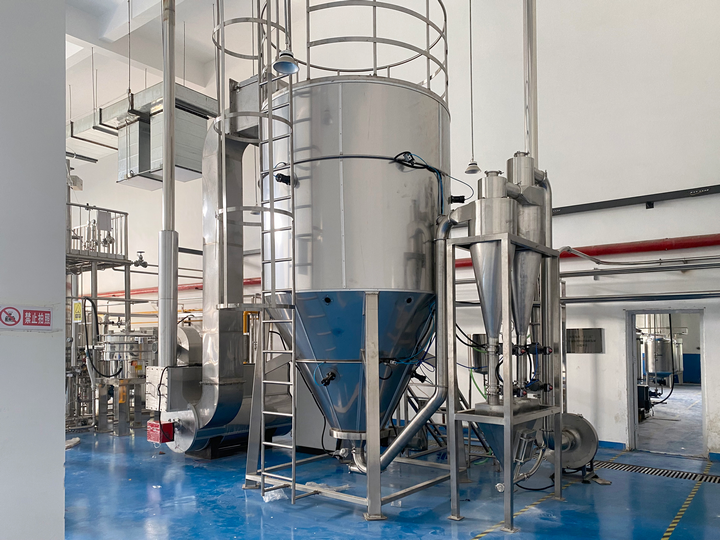
Summary:The high-speed centrifugal spray dryer can spray-dry solutions, emulsions, suspensions, and paste-like materials into dry powder. It features fast speed, high efficiency, and fewer process steps. It can preserve the color, taste, and aroma of materials. The dry powder has good solubility and high purity, and the equipment provides a good operating environment with basically automated operation. It is widely used in chemical, petrochemical, metallurgical, food, pharmaceutical, building materials, ceramics, forest chemical, and other industries. In addition, the equipment can heat and melt special materials such as polyethylene wax, biological pesticides, and compound fertilizers, and then perform cold-air shaping and granulation.
More Details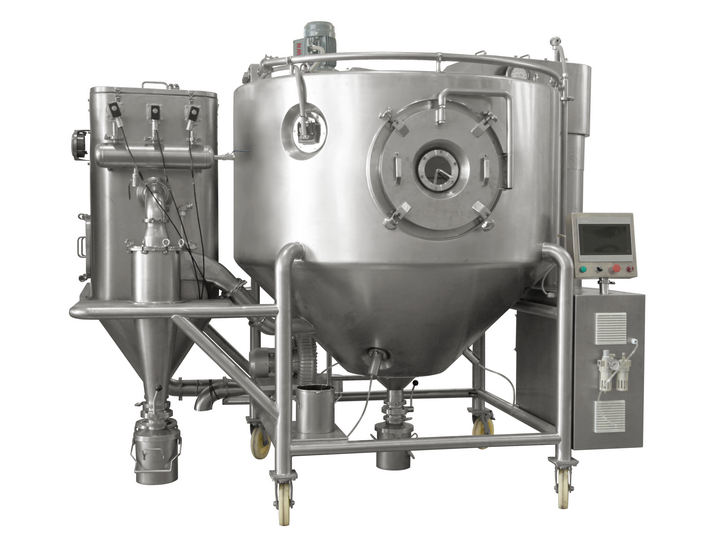
Summary:Wuxi Dongsheng LGZ Centrifugal Spray Granulating Dryer is a high-efficiency device that combines spray drying with granulation technology. Through high-speed centrifugal force, it instantly converts liquid materials into dry solid particles. It is suitable for electronic ceramics, structural ceramics, powder metallurgy, and other products with special particle requirements. Its particle size distribution can be freely adjusted to the optimal distribution curve, and its main technical performance and specifications have reached advanced world standards.
More Details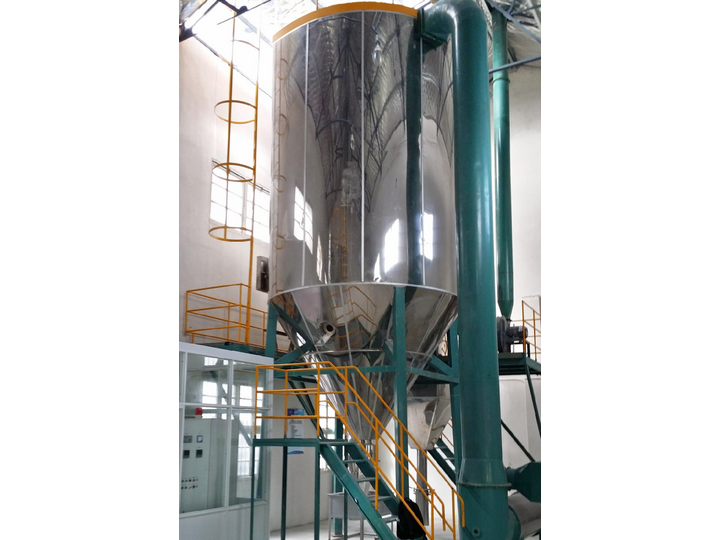
Summary:LDZ Series Counter-current Pressure Spray Granulating Dryer can process slurries with high solid content through pressure atomization and granulation, drying them into spherical granular products. The dried product has good free flowability and can uniformly and quickly fill the die. It offers good consistency in residual moisture content and bulk density, making it suitable for drying products that require isostatic pressing and die pressing. It can extend the service life of molds used in conventional mechanical granulation pressing by 4–8 times. The pressed products feature good consistency and high finish, and the equipment is widely used in ceramic tiles, tableware, ceramic substrates, ceramic materials, ferrite magnetic materials, and other industries.
More Details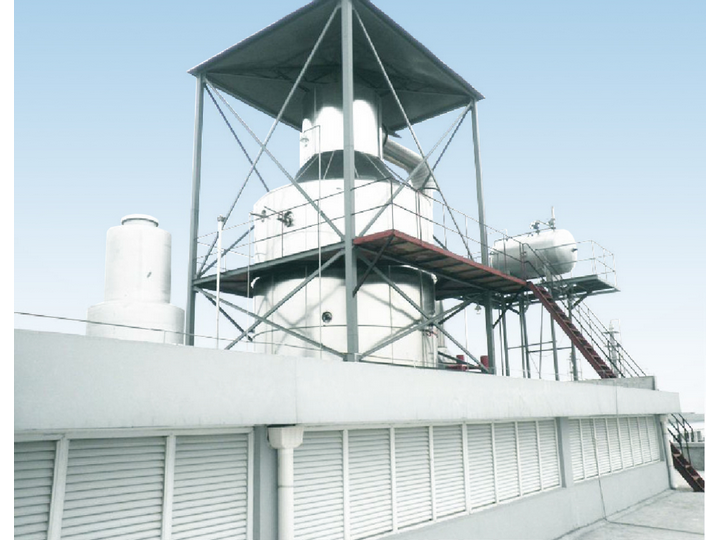
Summary:LPZ Series Co-current Pressure Spray Granulating Dryer is mainly suitable for spray drying of heat-sensitive, instant-soluble materials or materials with specific particle size requirements. It features a short contact time between the product and high temperature, and does not stick to the tower in the high-temperature zone. The dried product suffers minimal loss of components and is not prone to discoloration or coking. By adjusting the spray pressure, the desired particle size range can be obtained. The dried product has good flowability and solubility, and can be combined with other drying equipment such as a vibrating fluidized bed to achieve secondary drying or cooling. The equipment is widely used in food, feed additives, and fine chemical industries, including powdered oils and fats, flavors and fragrances, natural pigments, biological proteins, vitamins, instant tea, etc.
More Details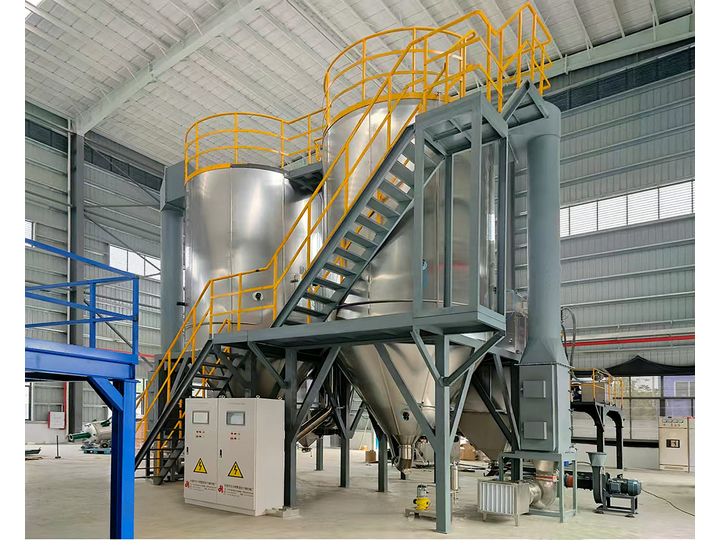
Summary:The pneumatic spray dryer is a type of spray drying equipment that uses high-speed airflow to exert a frictional splitting effect on the liquid film of the feed, thereby atomizing the liquid, drying it, and collecting the product. The high-speed gas can be steam or compressed air. The process of the solution being broken into fine mist occurs when the high-speed gas is ejected from the nozzle at a very high velocity (generally 200–300 m/s, sometimes even supersonic), while the outflow velocity of the solution is relatively low. Therefore, there is a fairly high relative velocity between the gas flow and the liquid flow. Friction is thus generated, causing the liquid to be drawn into long, slender filaments. These filaments quickly break at their thinner points, forming small spherical droplets. The lifetime of the filaments depends on the relative gas velocity and the viscosity of the solution. The higher the relative velocity, the finer the filaments, the shorter their lifetime, and the finer the resulting droplets. The higher the viscosity of the solution, the longer the filaments persist, and they often dry before breaking.
More Details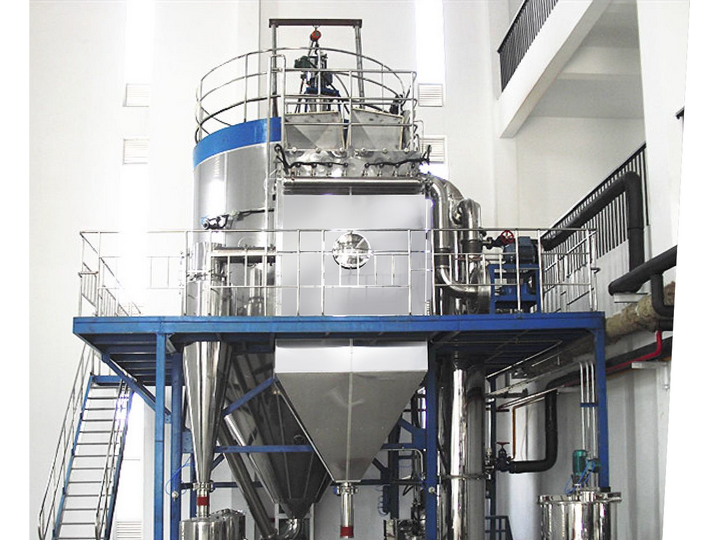
Summary:This system uses circulating nitrogen instead of air and organic solvents instead of water for spray drying. In addition to product recovery, it can also recover organic solvents. The design and construction fully take into account pressure resistance, sealing performance, explosion-proofing, pressure control, oxygen concentration control, etc.
It is mainly aimed at the spray drying of organic solvents (such as formaldehyde, ethanol, acetone, chloroform, etc.). The drying medium is mainly nitrogen, with the system sealed and the drying medium circulated, and the solvent can be recovered through condensation and other methods. It is widely used in industries such as cemented carbide, lithium batteries, ceramics, and pharmaceuticals.
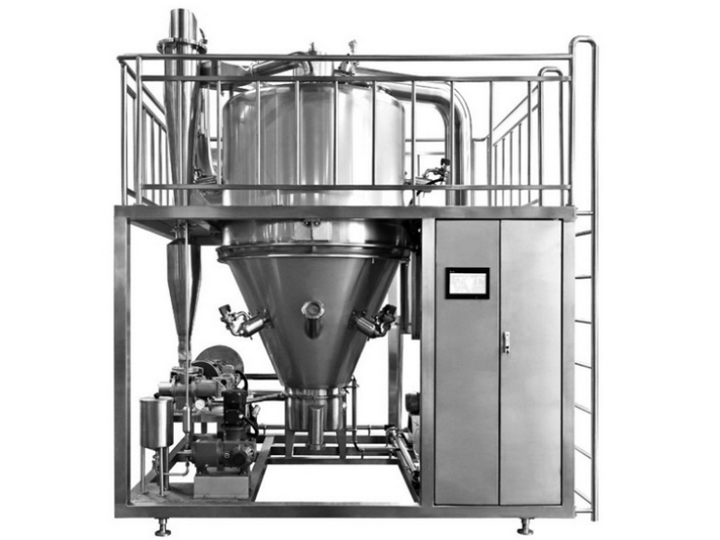
Summary:The liquid feed can be a suspension or an emulsion. The feed is pumped to a spray gun located inside the air distributor at the top of the tower.
The liquid is atomized into a high-speed drying air stream. The resulting atomized droplets are carried downward by the airflow toward the internal fluidized bed while being dried into particles. As the particles enter the fluidized bed, the airflow reverses and moves upward. Fine powder is discharged from the top of the drying tower, and the finer particles separated from the exhaust air are recirculated back into the drying tower body.
The fluidization of particles in the fluidized bed, the circulation of fine powder, and the movement of particles in the drying airflow occur in an air environment with a higher dust density than that of traditional drying systems. By overcoming the problem of particle surface adhesion, particles with high moisture content can be processed. The moisture content of particles entering the fluidized bed can be controlled within a certain required range, thereby achieving larger particles and structural changes (agglomeration or granulation).
When necessary, the drying and cooling of the finished product can be carried out in another external fluidized bed connected to the outlet of the internal fluidized bed.
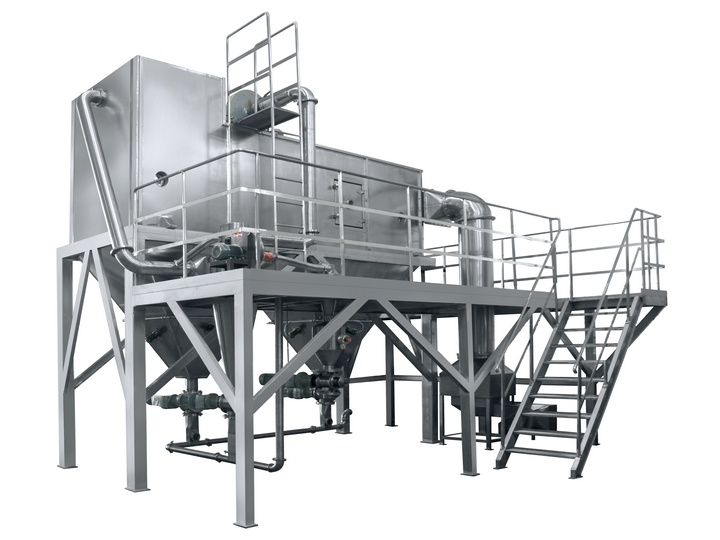
Summary:The entire drying system of the horizontal dryer is similar to that of an ordinary pressure spray dryer. It is suitable for fields such as food, pharmaceuticals, and chemicals, and is particularly effective for materials with high oil content and sugar content.
Compared with conventional spray drying equipment, it saves about 15% in energy consumption, and with a waste heat recovery system for exhaust gas, energy savings can reach about 30%. The main difference is that the drying tower is changed from a vertical cylindrical type to a horizontal box type. The pressure spray guns spray in parallel for drying. The dried material falls into the cone at the bottom of the chamber for discharge, or passes through a plate on the flat bottom of the chamber into a screw discharger for discharge.
The equipment offers advantages such as small floor space, low investment, and simple and convenient operation and maintenance. It is highly suitable for high-pressure spray drying sites where the customer's workshop height is limited, and is also a replacement product for conventional spray drying equipment.
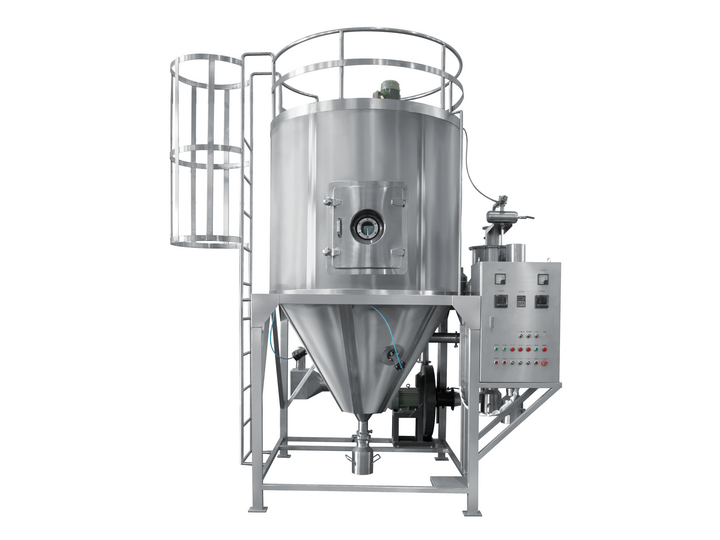
Summary:The laboratory high-speed centrifugal spray dryer is suitable for fields such as chemical, petrochemical, metallurgical, food and pharmaceutical, ceramics, and forest chemical industries. It features complete functions, small floor space, high efficiency, and few process steps, making it an ideal product for laboratory research.
More Details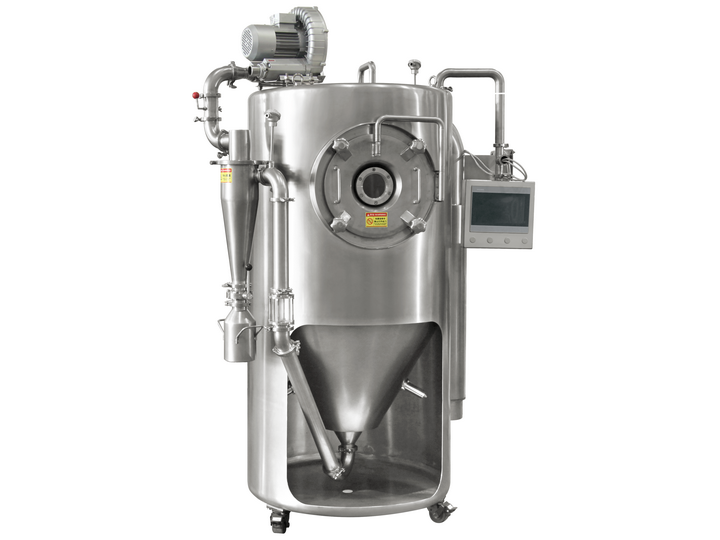
Summary:The laboratory two-fluid spray dryer, also commonly known as a pneumatic spray dryer, is a micro-scale particle and powder preparation device designed specifically for laboratory R&D scenarios. Its core feature is the use of a two-fluid (or twin-fluid) nozzle as the atomizer, with compressed air (or superheated steam) serving as the atomization power source. The equipment is usually compact in design, and its drying, separation, and collection systems are mostly made of high-quality high borosilicate heat-resistant glass, making the entire drying process transparent and visible for researchers to observe directly. It is widely used in laboratories of universities, research institutes, and enterprises in food, pharmaceutical, chemical, and other industries to explore optimal drying process conditions and provide direct data support for industrial production.
More Details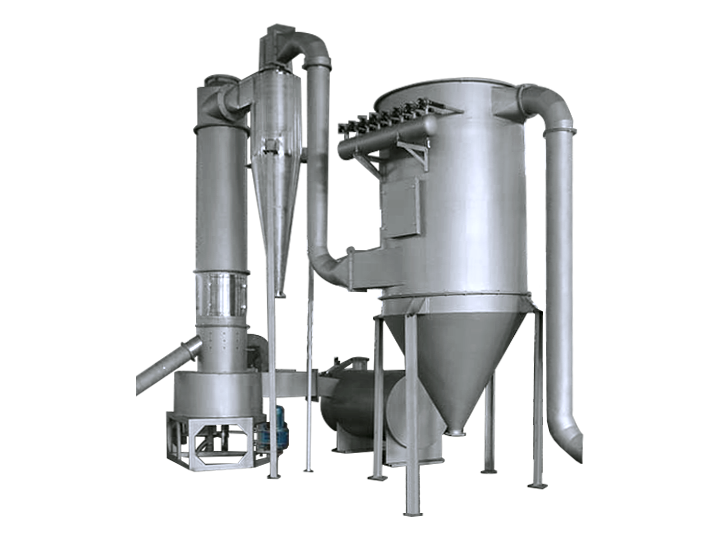
Summary:The spin flash dryer is an innovative product independently developed and designed by our company through absorbing and boldly adopting advanced foreign technology and combining it with the actual conditions of domestic drying. Hot air enters the main tower of the spin flash dryer tangentially from the air inlet at the bottom of the main machine, forming a spiral upward high-speed rotating airflow inside the main tower. At the same time, the size of the annular gap at the bottom is adjusted according to different material properties to maintain the air velocity at an appropriate level. The material is fed directly into the spin flash drying tower through a screw feeder. Under the impact and entrainment of the high-speed airflow, it quickly disperses and rotates at high speed with the airflow. For relatively large and wet particle agglomerates, the high-speed airflow is insufficient to break them apart and make them rotate at high speed, so they gradually fall under gravity. When they reach the bottom of the main machine, they are forcibly crushed and micronized by the crushing device installed at the bottom, and then rotate upward together with the high-speed airflow to complete the drying process. In order to achieve extremely low final moisture content while preventing fluctuations in initial moisture content from affecting product quality, multiple layers of swirl plates are installed in the drying tower to form a relatively stable fluidized bed. At the same time, the swirl plates also ensure the necessary residence time for drying and provide a classification function, thereby achieving integrated high-efficiency drying and particle size classification.
More Details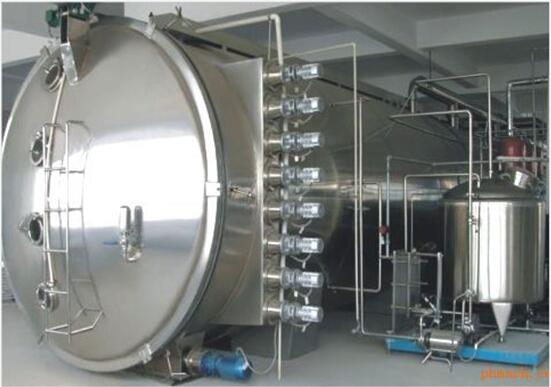
Summary:The vacuum belt dryer is a contact-type vacuum drying equipment with continuous feeding and continuous discharging. The feed liquid to be dried enters the interior of the dryer, which is under high vacuum, directly through a conveying mechanism, and is spread onto several drying belts inside the dryer. A specially designed rubber roller driven by a motor drives the drying belts to move along the direction of the dryer cylinder at a set speed. Beneath each drying belt are three independent heating plates and one cooling plate. The drying belt fits tightly against the heating plates and cooling plate, transferring the energy required for drying to the material by means of contact heat transfer. When the drying belt moves from one end of the cylinder to the other, the material has already been dried and cooled. When the drying belt returns, the dried material cake is peeled off the belt and knocked down into a crushing device by a vertically moving chopping device. The crushed material is discharged through two airlock-type discharge hoppers. Since the material directly enters a high vacuum environment and is gradually dried over a period of time (usually 30–60 minutes), the resulting granules have a certain degree of crystallization effect and, from a microscopic perspective, contain micropores. After being directly crushed to the required particle size, the granules have good flowability and can be directly tableted or filled into capsules. At the same time, because the granules have a microscopic loose structure, their instant solubility is excellent. Moreover, the granules have a good appearance, which can greatly enhance the grade of instant (granule) products. The vacuum belt dryer performs continuous feeding and continuous discharging at both ends of the machine body. The feeding and discharging sections can both be installed in a cleanroom. The entire drying process is completely enclosed and does not come into contact with the external environment, meeting GMP requirements.
More Details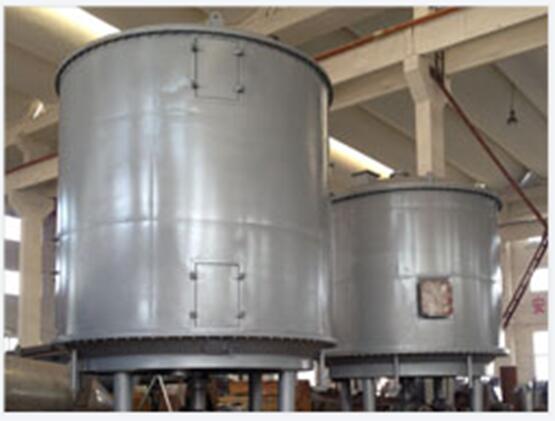
Summary:Wet material is continuously fed from the feeder onto the first drying disc at the upper part of the dryer. The rake arms with rake blades perform a rotary motion, causing the rake blades to continuously turn and move the material. The material flows along an exponential spiral path over the surface of the drying discs. On the small drying discs, the material is moved to the outer edge and falls from the outer edge onto the outer edge of the large drying disc below. On the large drying discs, the material moves inward and falls from the central discharge opening into the next layer of small drying discs. The large and small drying discs are arranged alternately above and below, allowing the material to flow continuously through the entire dryer. A heating medium is introduced into the hollow drying discs. The heating medium can be saturated steam, hot water, or thermal oil. It enters from one end of the drying disc and exits from the other end. The dried material falls from the last drying disc to the bottom of the shell and is finally moved by the rake blades to the discharge outlet. Moisture escaping from the material is discharged through the moisture exhaust outlet provided on the top cover. In a vacuum-type disc dryer, the moisture is drawn out through the vacuum pump port provided on the top cover. The dried material discharged from the bottom layer can be directly packaged. By adding auxiliary equipment such as finned heaters, solvent recovery condensers, bag filters, dry material back-mixing mechanisms, and induced draft fans, the drying production capacity can be improved. It can dry paste-like and heat-sensitive materials, conveniently recover solvents, and perform pyrolysis and reaction operations.
More Details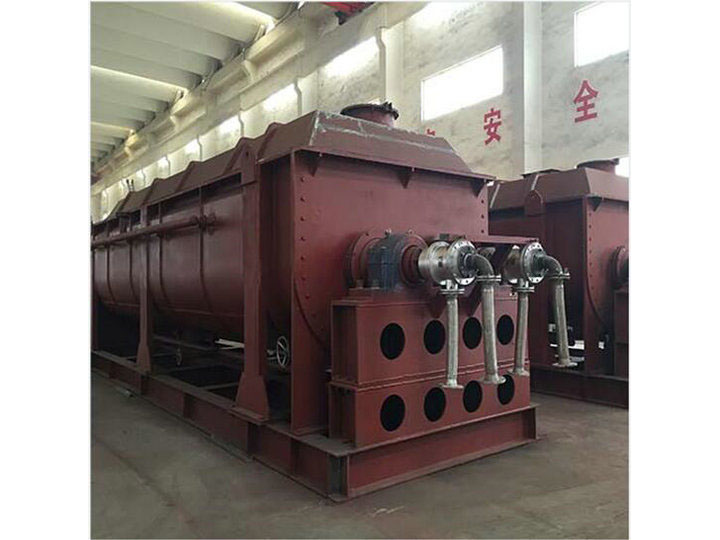
Summary:The hollow paddle dryer relies on indirect heating through heat conduction for the heat required for drying, so the drying process requires no or only a small amount of gas to carry away moisture. This greatly reduces the heat loss carried away by the airflow, improves heat utilization, and makes it an energy-saving drying device. Paddle dryers are widely used in the petrochemical, chemical, metallurgical, food, pharmaceutical, pesticide, and other industries for drying powdery, granular, filter cake, and slurry materials.
Based on the absorption of advanced domestic and foreign technologies, Wuxi Dongsheng Spray Drying Machinery Factory has improved and optimized the design of the wedge-shaped hollow paddle dryer, which can indirectly heat or cool paste-like, granular, powdery, and slurry materials, and can complete unit operations such as drying, cooling, heating, sterilization, reaction, and low-temperature calcination. The special wedge-shaped stirring heat-transfer paddles in the equipment feature high heat transfer efficiency and a self-cleaning function for the heat transfer surface.
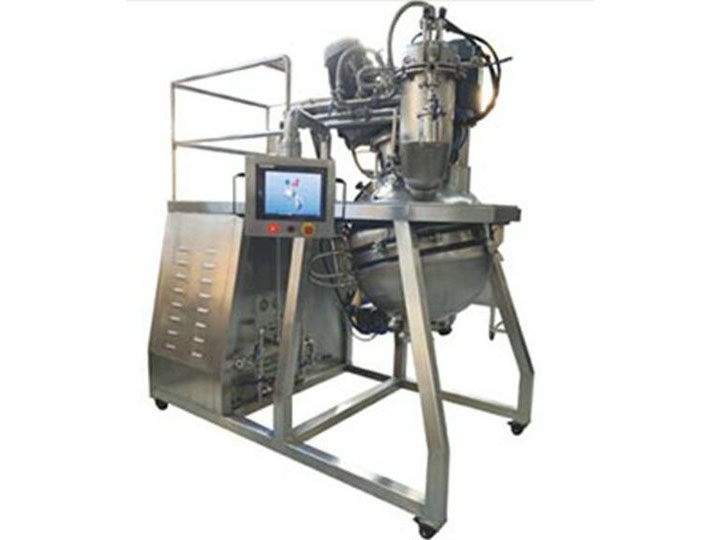
Summary:Spherical Dryer is a relatively novel type of drying equipment. It can be used not only for drying, but also for mixing, granulation, and other processes. Compared with other drying equipment, it offers advantages such as wide material adaptability, high loading coefficient, good drying performance, dead-corner-free mixing, no residue during discharge, easy cleaning, and compliance with GMP requirements.
More Details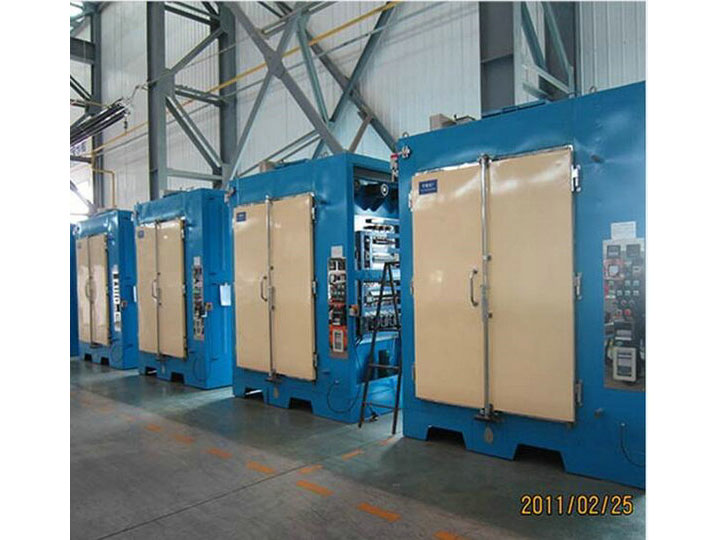
Summary:Oven drying is a classic batch-type convection drying equipment, widely used in the pharmaceutical, chemical, food, and other industries for the drying, sterilization, and heat treatment of granular, lump, strip, and sheet materials. The main body of the equipment consists of a well-insulated chamber, a heating system, a circulation fan, a moisture exhaust device, and a precision control system. Depending on the heating medium, the oven can be configured in various forms such as steam heating, electric heating, thermal oil heating, or combined electric and steam heating, with an operating temperature range covering a wide span from 50°C to 350°C. Its internal structure is designed with full consideration of cleaning and hygiene requirements. The inner walls of the chamber are fully welded, and all transitions are rounded with no dead corners. The entire machine has good sealing performance and is equipped with a unique guide rail sealing device, effectively meeting the strict requirements of Good Manufacturing Practice (GMP) for equipment cleanliness and airtightness.
More Details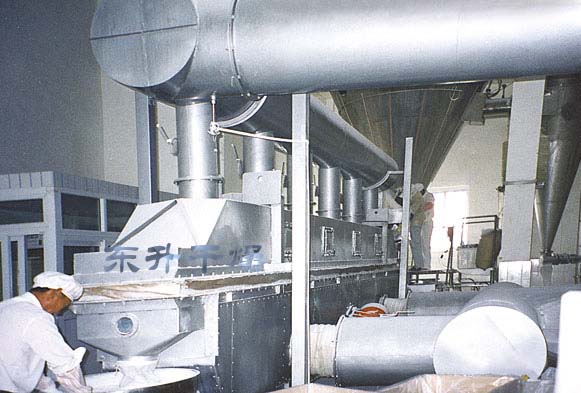
Summary:A vibrating fluidized bed dryer is a new type of high-efficiency continuous drying equipment that combines vibration technology with the principle of fluidized bed drying. It introduces vibration energy on the basis of a traditional fluidized bed dryer. An exciting force is provided by vibration motors, causing the material to jump and flow in a directed manner on the bed surface. The equipment mainly consists of vibration motors, a fluidized bed body, a gas distribution plate, an air inlet system, an exhaust system, and a control system. It adopts a fully enclosed structure, which can effectively prevent cross-contamination between the material and the air. The equipment is not only suitable for drying operations, but can also simultaneously or independently perform various process operations such as cooling and humidifying of materials. It is widely used in industries such as chemicals, pharmaceuticals, food, grain, and mining.
More Details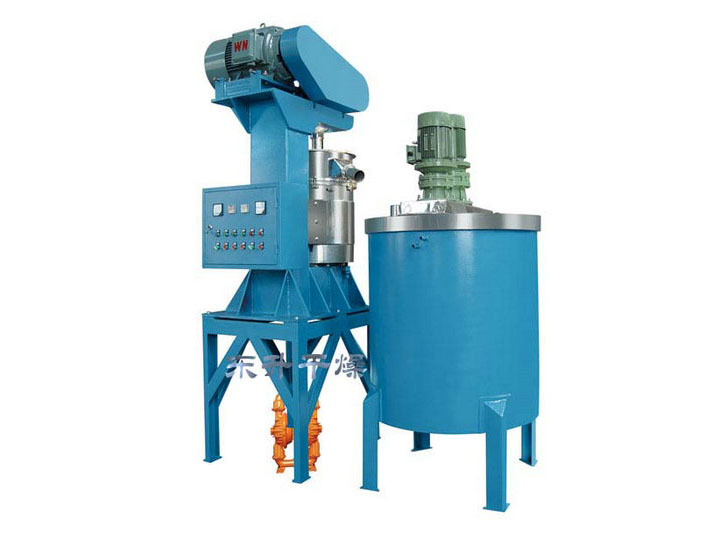
Summary:A circulation-type stirred mill is a model that combines a stirred mill with a stirred mixing tank. It is typically used for grinding materials that require a final particle size in the micron range, high quality, and are difficult to grind and disperse. The characteristic of this unit is that a very narrow particle size distribution can be obtained after grinding. The investment in grinding media and the grinding chamber is relatively low, but it can handle large quantities of material. The slurry can be continuously monitored, and other formulations can be added to the mixing tank at any time during the grinding process. For more sensitive components, they can be added before the grinding is completed, because the slurry has a short residence time in the grinding chamber and spends most of the time in the mixing tank, thereby effectively controlling the slurry temperature.
More Details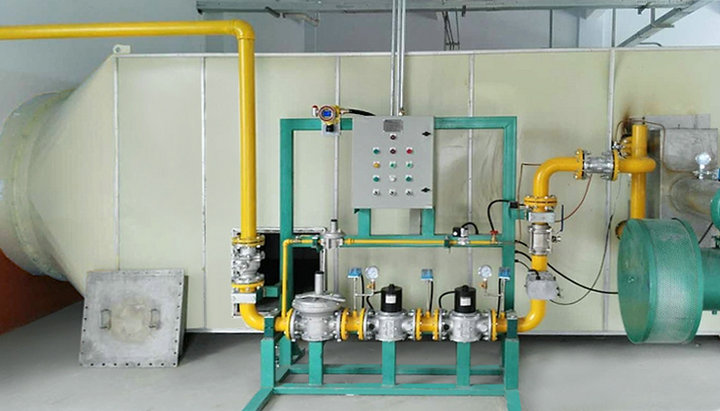
Summary:The dryer can be equipped with various auxiliary heating systems, including steam + electric, electric heating, steam heating, indirect oil/gas heating, direct oil/gas heating, indirect coal heating, direct coal heating, and thermal oil heat exchanger heating, etc.
More Details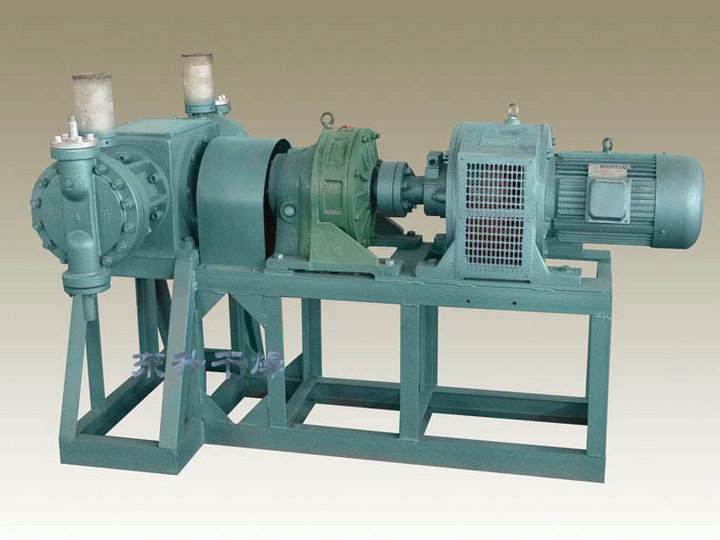
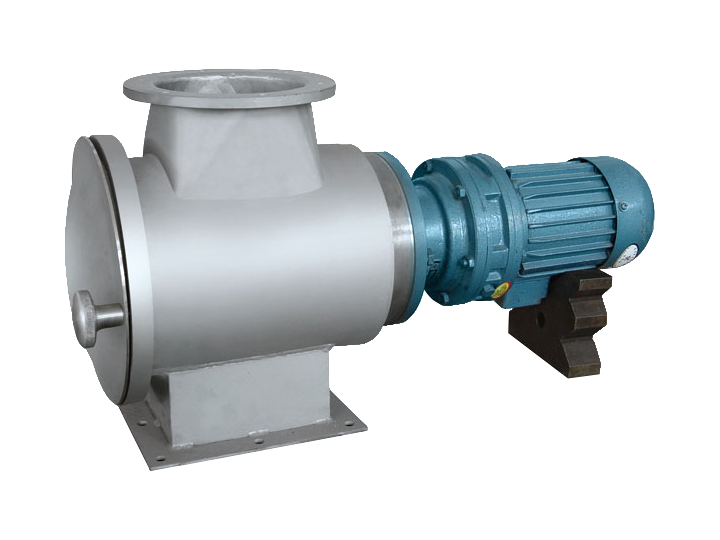
Summary:Other Auxiliary Equipment:Φ600-1200 Vibrating Screen、Quick-release Rotary Valve (Airlock)、YL Filter Press、Gelatin Melting Machine、Special-shaped Mixer、Double Cone Mixer、V-type Mixing and Humidifying Machine
More Details
High-tech Enterprise
QMS Certified
SRMS Certified
Tel:+86-510-83382327 83382326 83390269
Mail:master@dspwgz.com
Add:eside Dengxiang Bus Station, Qianzhou Town,
Huishan District, Wuxi, Jiangsu, China.


Press & Hold to Scan,Follow our WeChat account.